

Kindergarten
This page is dedicated to resources that support the updated 2026 Kindergarten curriculum.
While the program remains rooted in a play-based and child-centered approach, the 2026 update introduces clearer expectations and more intentional instruction in core areas to better prepare students for Grade 1.
The vision of the 2026 curriculum is to ensure all children develop the foundational knowledge and skills needed to communicate effectively, to solve problems, and to thrive in a global community.
Click here to access the Ontario 2026 Kindergarten Curriculum.
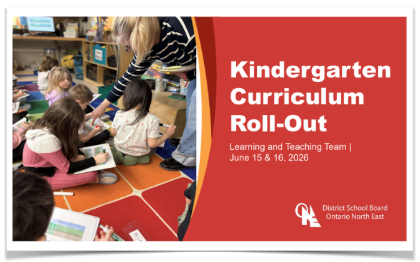
Click on the image to the right to access the Kindergarten Roll-Out Slide Deck from our two day in-person session. Please reach out to the Learning & Teaching Team with any questions.



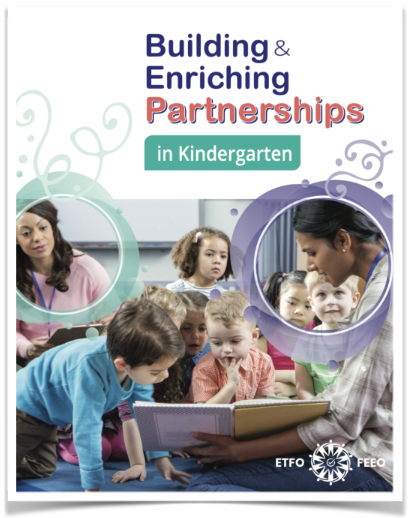

Building & Enriching Partnerships in Kindergarten is a practical resource that offers actionable strategies to strengthen communication, build trust, and foster effective team collaboration in Kindergarten classrooms.
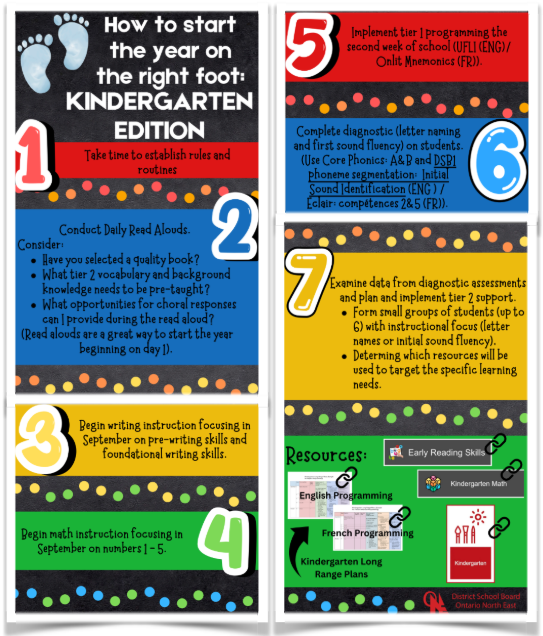
This document outlines key priorities for the first days and first month of school. It highlights essential elements of the curriculum that should be woven into classroom experiences from the very beginning.
Use the buttons below to navigate to each section of the Kindergarten page.
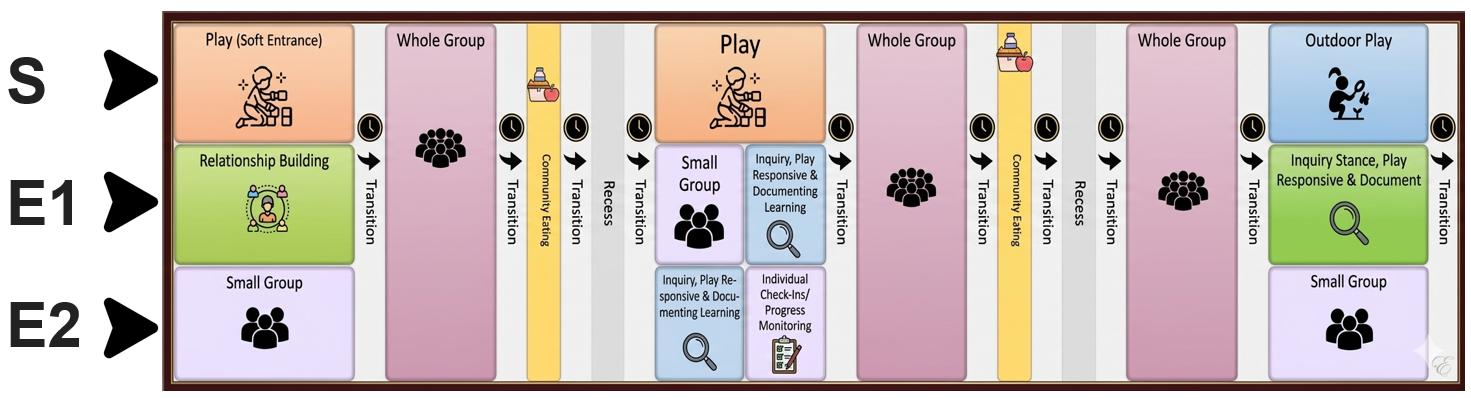
The Kindergarten Flow of the Day: Double Educator Model Sample #1
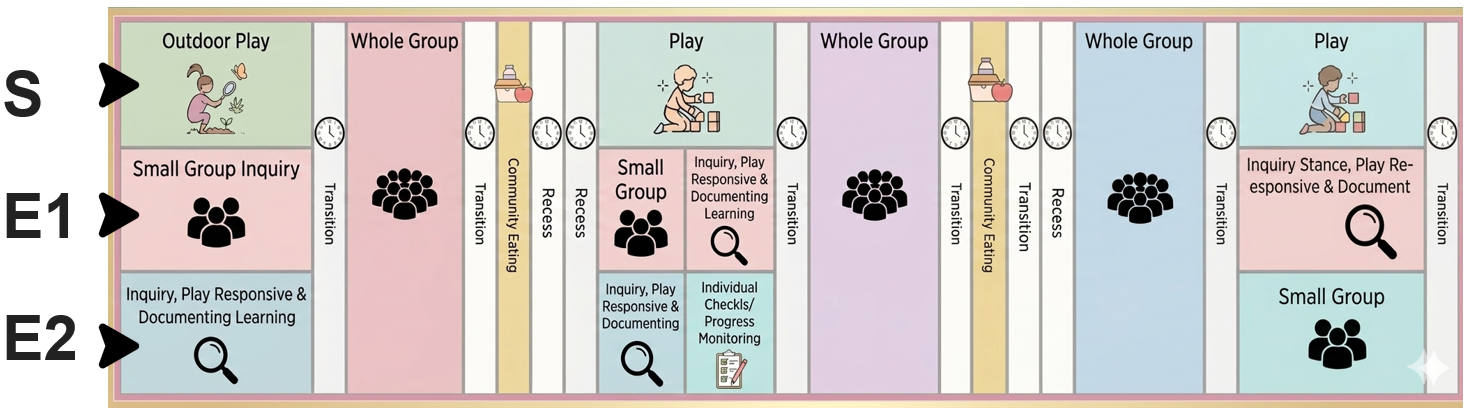
The Kindergarten Flow of the Day: Double Educator Model Sample #2
Flow of the Day
The Kindergarten daily schedule is organized around a “Flow of the Day”. It is flexible and fluid, supporting students in developing the knowledge and skills described in each strand, not in isolation, but as part of their learning in all strands. Sample models are provided for both double and single educator classrooms below.
Transitions
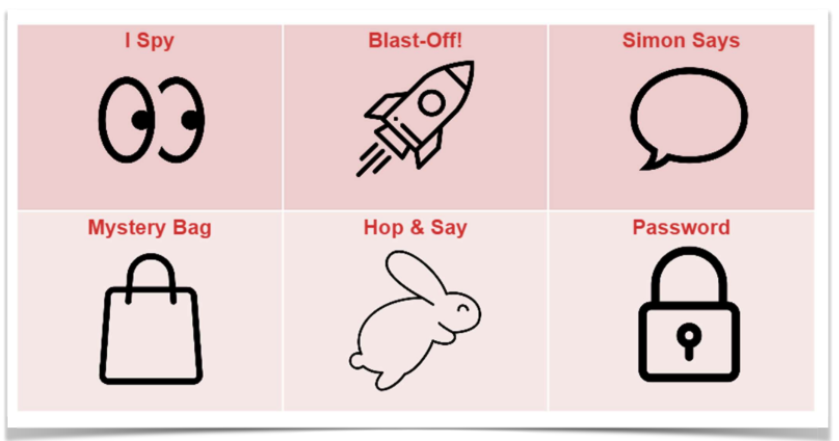
Transition times are an unavoidable part of the Kindergarten Flow of the Day. However, while our ultimate goal is to reduce the overall time spent moving between activities, these routine moments don't have to be wasted time. With just a few adjustments, transitions can become quick, powerful opportunities to reinforce foundational skills in Math and Language. These quick-reference cards can be displayed in the classroom or kept on a clipboard to keep these strategies at your fingertips.
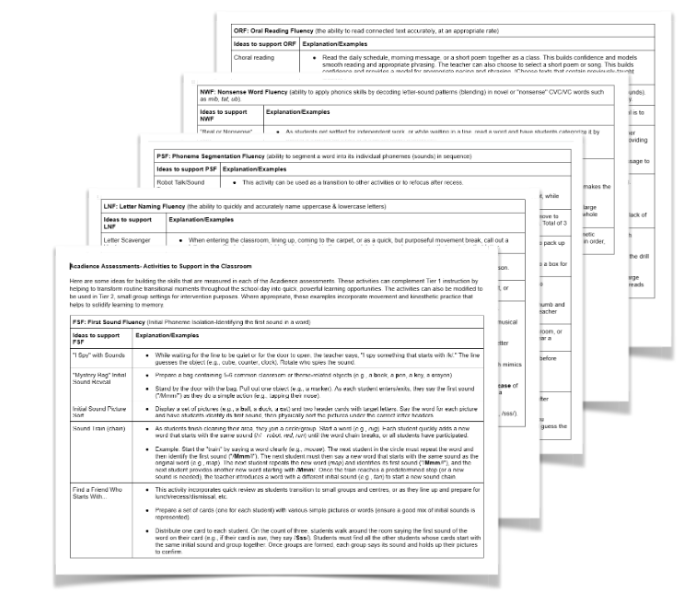
The document below expands on these ideas, specifically reinforcing the skills measured in the Acadience Reading assessments. To get started, analyze data from the reading screener, identify areas of need, and choose the activities that align.

Visit the Kindergarten Math page for samples of transitions related specifically to Math.
Play
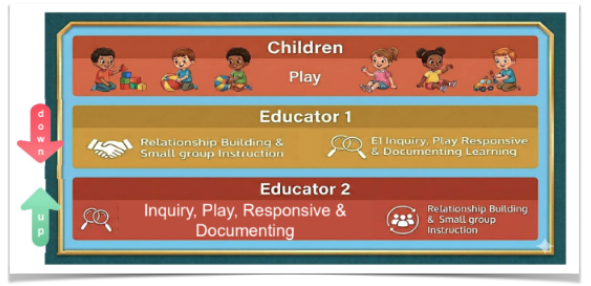
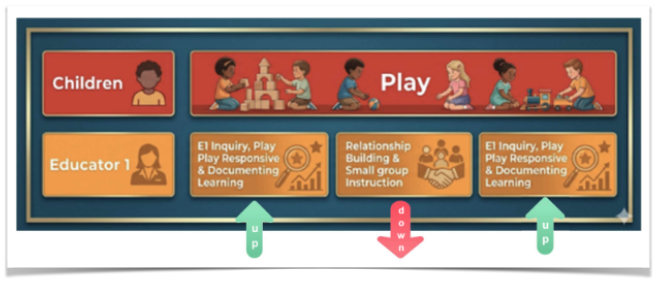
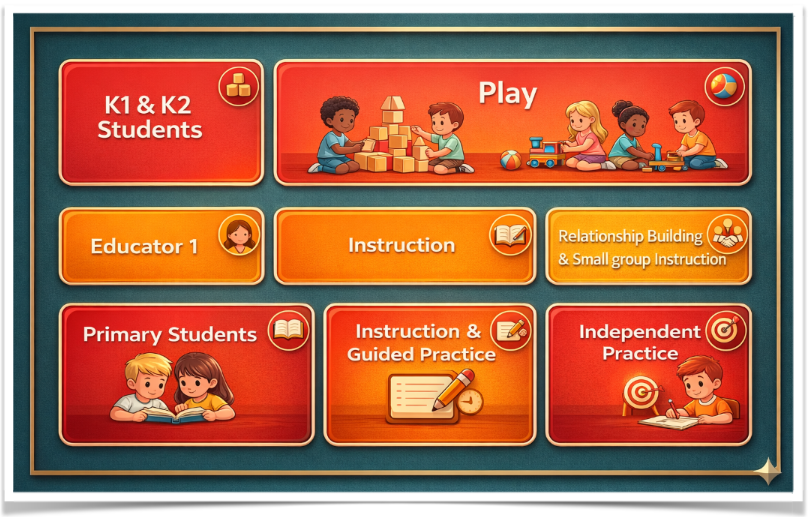
In this section, you will find resources to support play in both indoor and outdoor settings, including sample visual models for integrating educator roles in the Flow of the Day as well as types of play along a continuum.
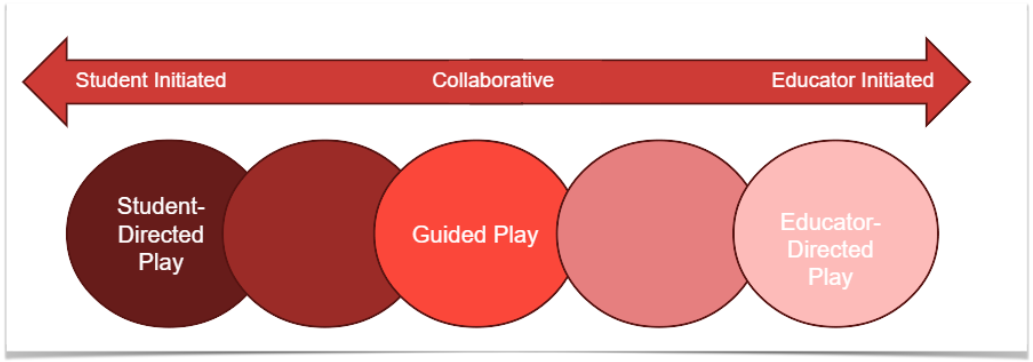
The Kindergarten curriculum identifies three types of play that exist along a continuum. From student-directed play to educator directed play, the level of child agency and educator involvement varies depending on the learning goals. Each type of play is important and understanding when to step back, when to arrange the environment, and when to step in directly, will help educators successfully meet curriculum expectations while preserving the play-based intentions of the Kindergarten curriculum.
Play: Double Educator Model
Play: Single Educator Model
Play: Multi-Grade Classroom
The Continuum of Play-Based Learning

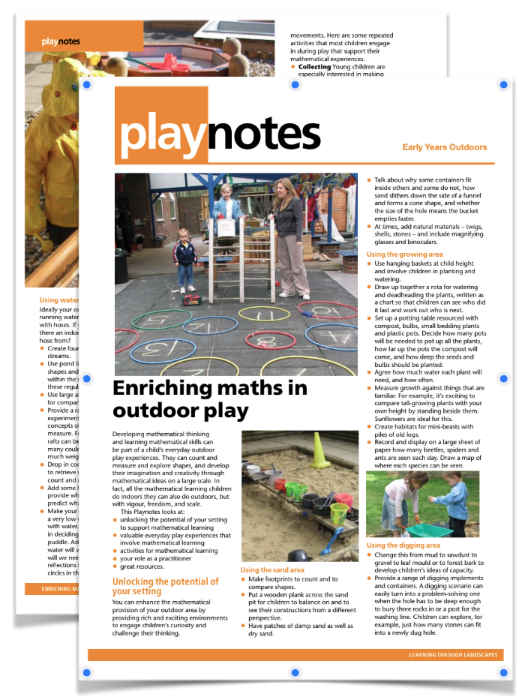
This guide provides ideas for active, outdoor experiences to develop foundational skills in mathematics.
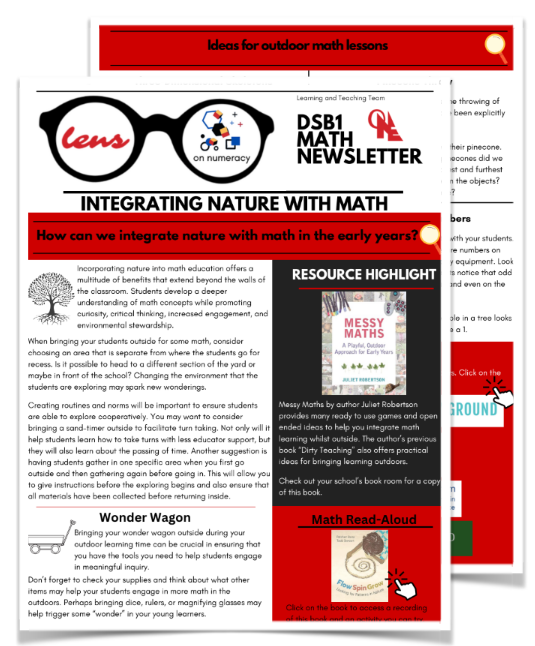
This resource provides ideas for integrating math during outdoor learning time. It includes suggestions for math lessons, activities, resources, and read-alouds.

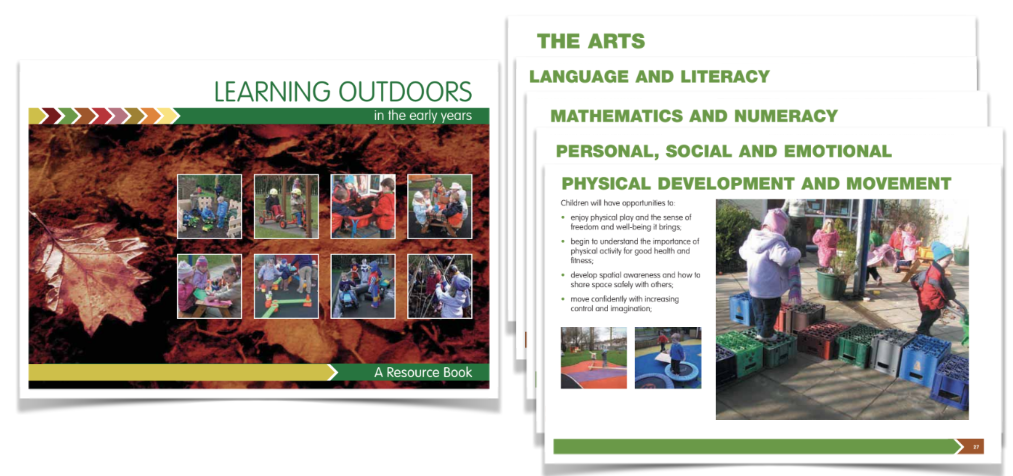
This guide provides suggestions for play-based learning and expanding the classroom into the outdoors across a variety of learning areas.
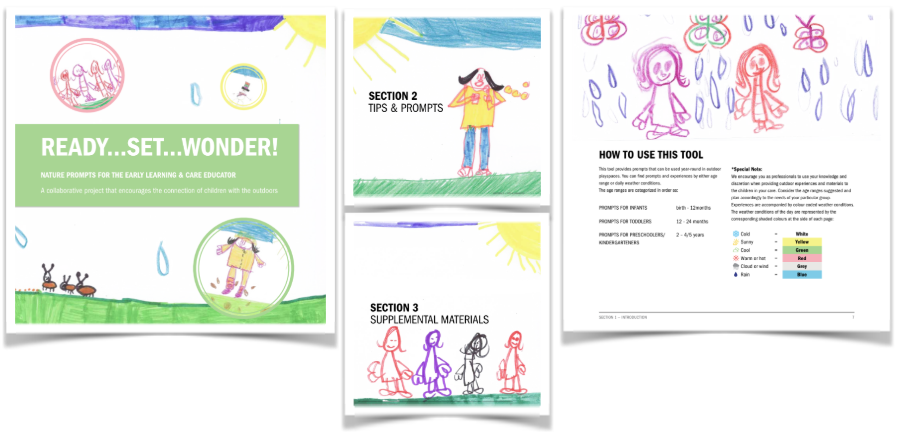
This resources includes nature prompts for learning experiences that encourage the connection of children with the outdoors.
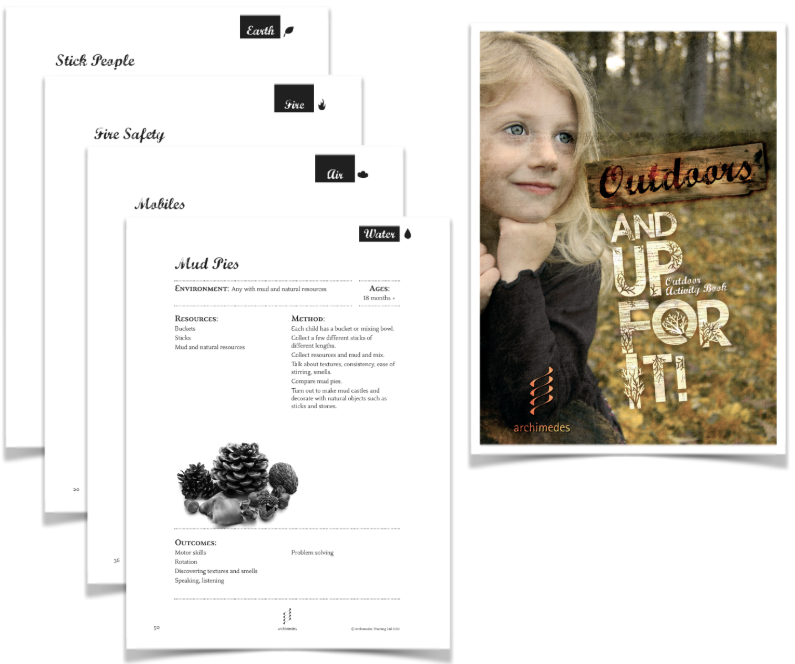
This resource provides nature-based activities organized around Earth, Fire, Air, and Water.
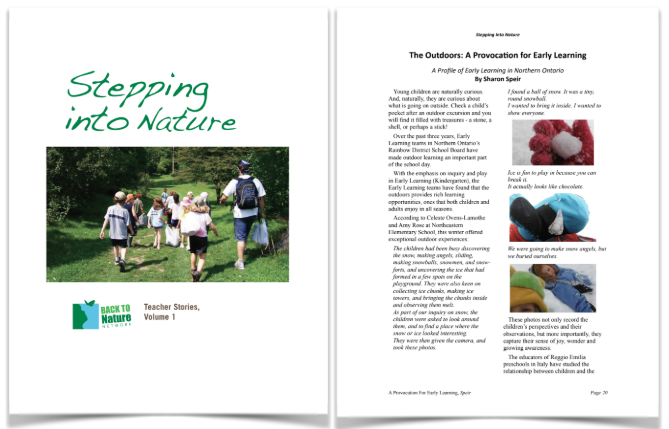
This resource is a collection of articles containing activities from across the curriculum and teacher stories about taking children outdoors to connect to nature.
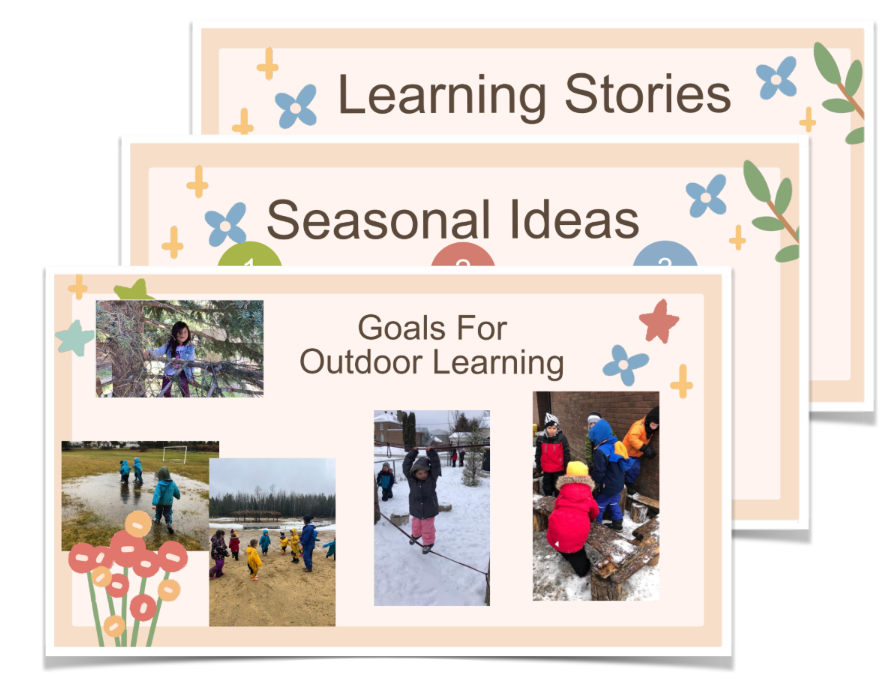
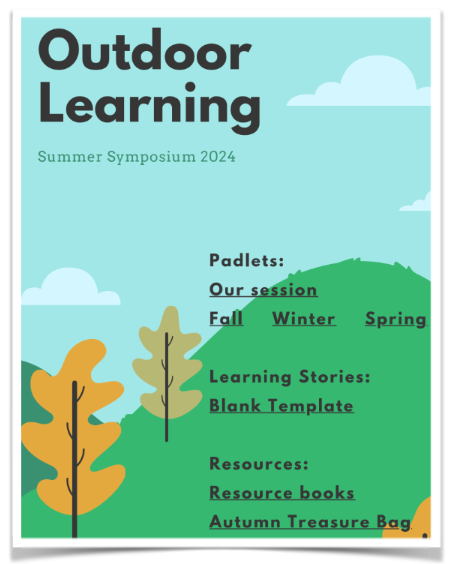
This slide deck and link page was shared by DSB1 educators during a Summer Symposium session. They provide an overview of outdoor learning ideas across the seasons with images, activities, prompts, recording learning stories, and more!
Outdoor Learning
In this section, you will find resources to support outdoor exploration for various subjects and themes, but also through the four seasons as students explore the changing environment. Play opportunities exist along a continuum from student-directed, to guided, to educator-directed activities and strengthen the foundational skills learned in the whole-group setting.
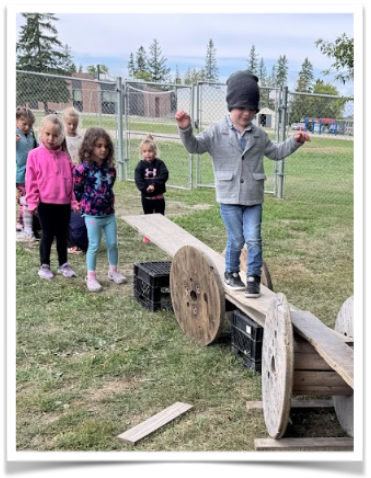
Outdoor exploration time presents great opportunities for inquiry learning, making observations, collaboration, conversation, and more! It is great for activities such as measuring, finding shapes, and discussing patterns in the natural environment. It also encourages rich talk between students and their peers as well as between students and their educators.
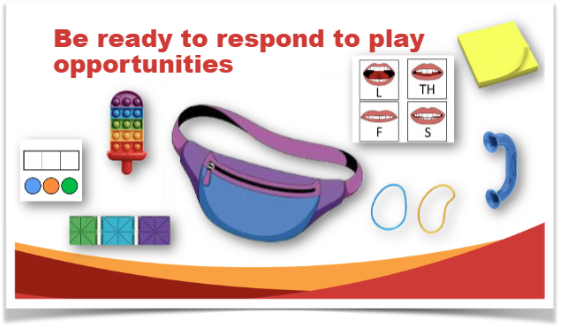
Choosing an area for outdoor exploration that is separate from where students play during recess may lead to new student wonderings and exploration. Keeping a wagon or wearable pouches stocked with accessible tools such as clipboards with paper and pencils, sidewalk chalk, magnifying glasses, rulers, etc. help promote meaningful inquiry and that can be crucial in ensuring that
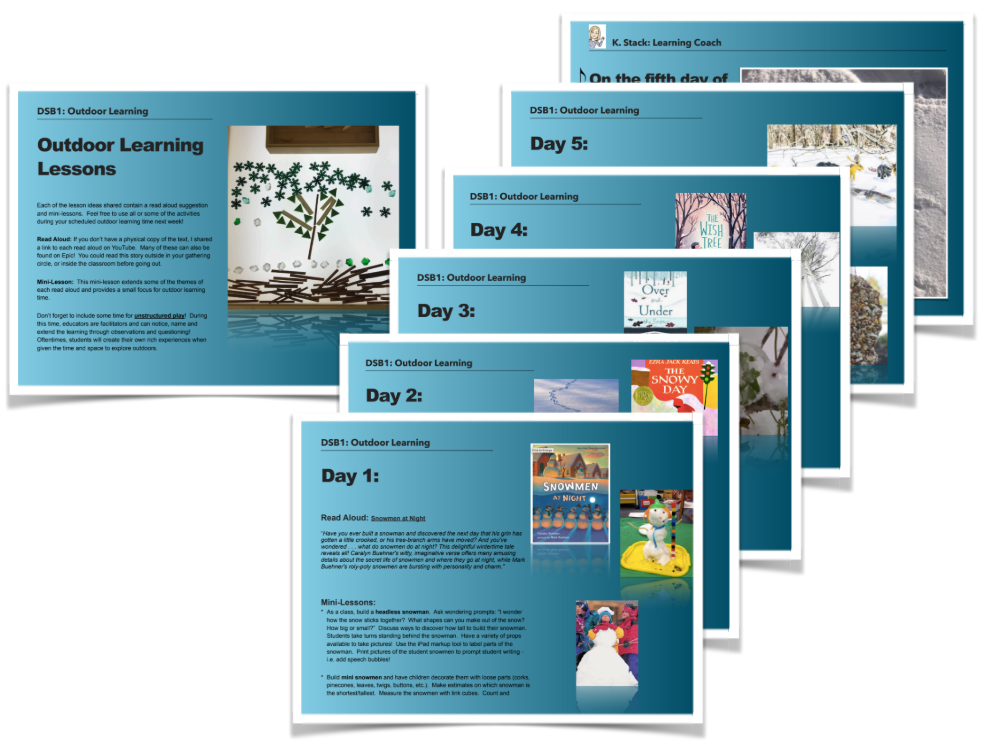
Click here for 5 days of outdoor learning lessons! Each of the lesson ideas contain a read aloud suggestion and mini-lessons with links to virtual readings of the stories. You could read this story outside in your gathering circle, or inside the classroom before going outside. Each read aloud provides a small focus for outdoor learning time.
Visit the K - Gr. 6 Language page for resources that support explicit instruction in foundational literacy skills. Included are supports for phonological awareness, phonics/decoding, fluency routines, read alouds, text sets, word/sentence-level writing and more!


Click here for resources related to whole group math instruction including support for number talks and math games, strand-based math topics, three-part lessons, Kindergarten inquiries, and professional learning supports through the Math UP program.
Whole Group
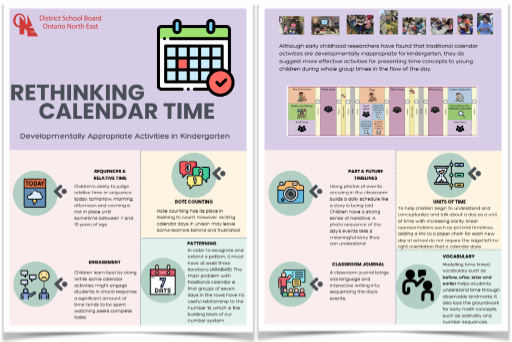
This resource guides educators through the shift from traditional calendar routines to research-aligned, developmentally appropriate time practices. It highlights why traditional calendar instruction can present challenges for young learners and offers practical, hands-on alternatives to foster early math and sequencing skills.


Small Group
For information and resources related to gathering and interpreting reading screening and diagnostic data or for responsive small group reading support, please visit the Early Reading page using the link to the right.
Community Eating
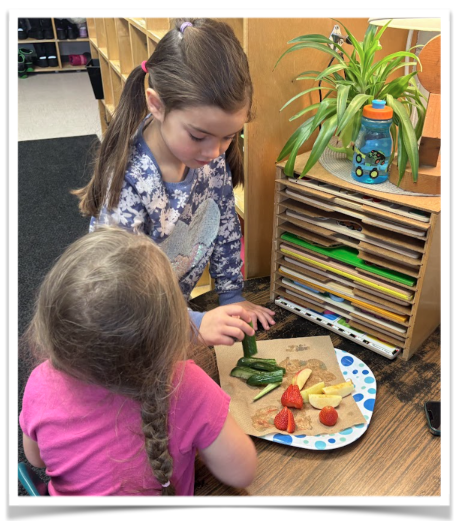
Community eating times provide our students with rich daily opportunities to practice social, academic, and life skills in the authentic context of relationships and community.
Modeling and practicing turn-and-talk with students in whole-class and small groups, giving students guided opportunities to talk about shared experiences, and integrating cooperative learning activities is a high-yield strategy for enhancing our students’ social skills. After providing a scaffolded environment for some time, educators can begin to help students have conversations with each other in less structured settings such as during community eating and outdoor play times. Prompts such as, “Friends, we have apples for snack today. Turn to your neighbours and ask them to tell you about the most delicious fruit they have eaten.”
Back to:
