Kicking Off the School Year: DSB1 Educators Dive Deep at the 2026 Summer Symposium
On August 26, District School Board Ontario North East educators gathered for a comprehensive day of professional learning to recharge and refine their practice ahead of the new school year. Anchored by DSB1’s strategic priorities—Achieve, Belong, and Create—the day’s sessions equipped staff with practical tools and fresh insights to support every learner.

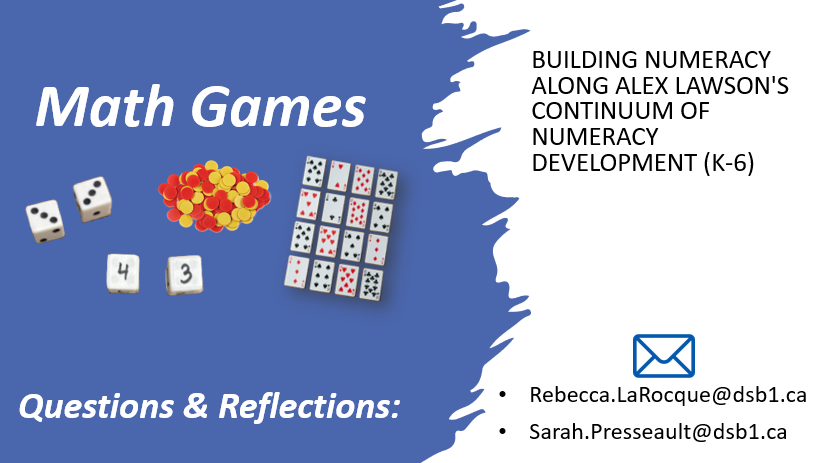
Mathematics & Numeracy: Elementary teachers explored hands-on diagnostic tools connected to Strand B using Alex Lawson’s Continuum of Numeracy Development. Grades 3–8 educators looked at driving math fact fluency with Reflex, while intermediate teachers examined Bank of Canada Museum resources to bring financial literacy to life.
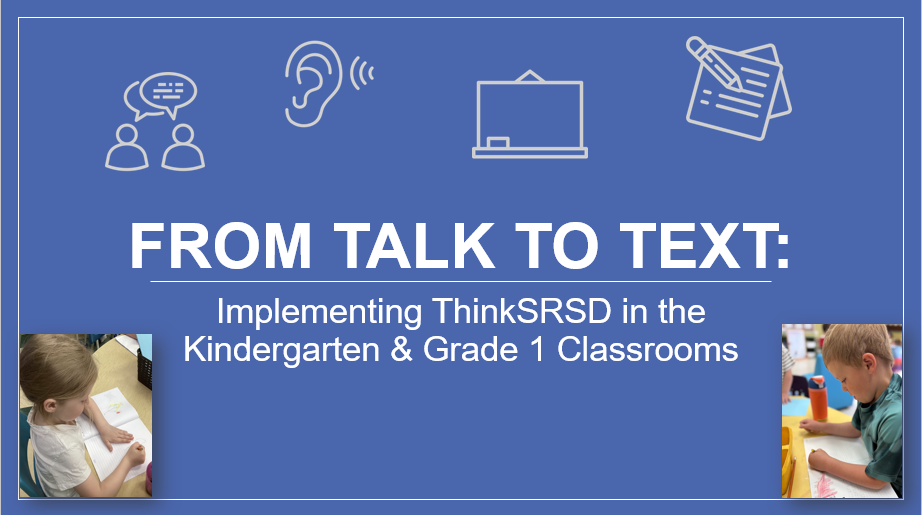
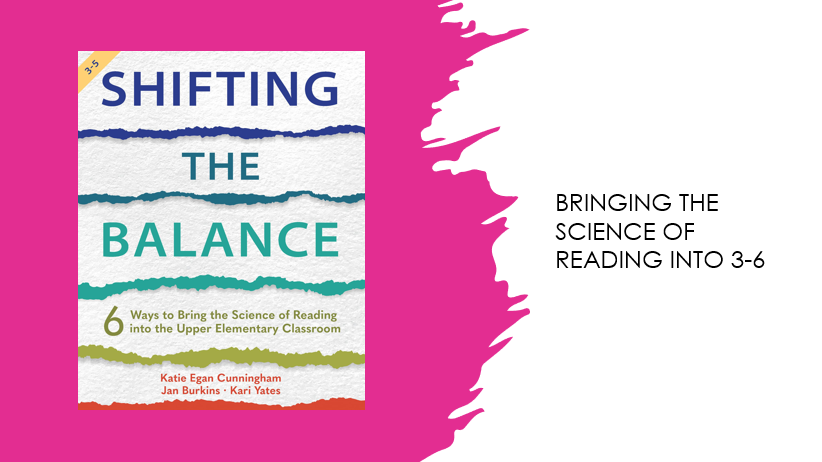
Literacy & Language Instruction: Educators unpacked the Science of Reading. K–1 teachers used the TIDE framework in ThinkSRSD to bridge oral language and written composition. K–2 staff evaluated effective decodable text implementation, while Grades 3–6 teachers explored high-leverage routines from Shifting the Balance. FSL teachers engaged in building oral communication confidence and using CEFR descriptors for assessment.
Special Education: SERTs updated their skills in developing compliant IEPs that target student strengths and accommodations, while also reviewing upcoming September 2026 Aspen software enhancements.
Cultural Responsiveness & Attendance: Educator workshops focused on strengthening relationship-based, equity-focused practices to support students who identify as Indigenous. Dedicated discussions addressed systemic barriers to student attendance, providing concrete strategies to engage families.
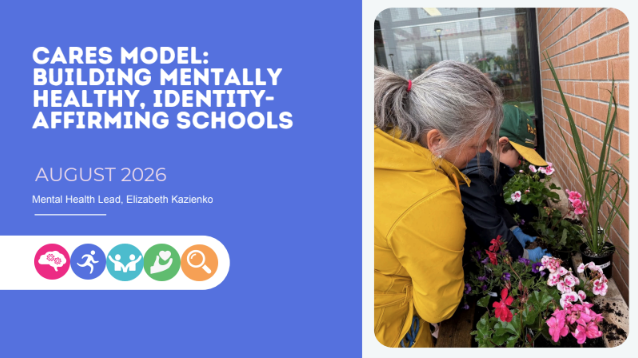
Mental Health & Student Support: Grounded in School Mental Health Ontario approaches, sessions trained educators on how to act as "caring adults"—noticing early signs of struggle, validating student experiences, and practicing cultural humility and self-care.
Special Education & Inclusion: Teachers partnered with the Learning Disabilities Association of Ontario (LDAO) to deepen their understanding of learning disabilities, ensuring classrooms are tailored to diverse needs.

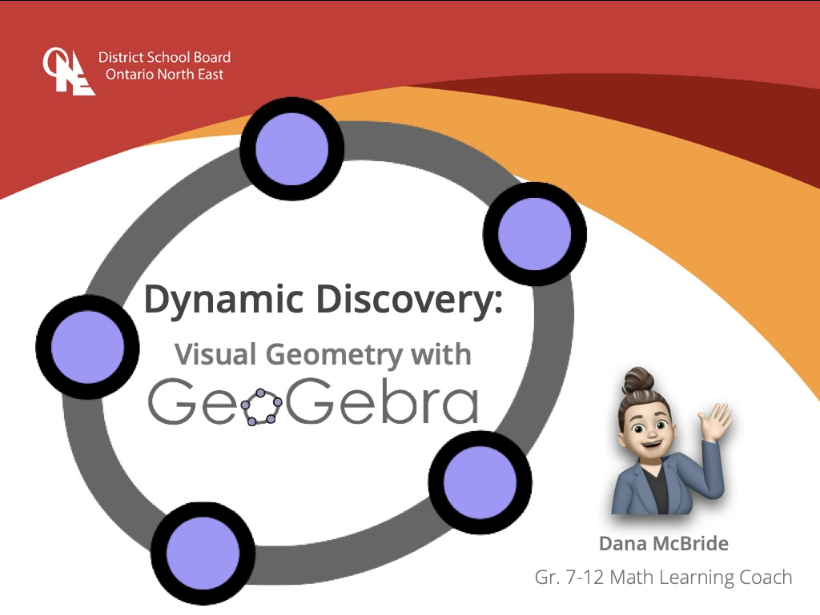
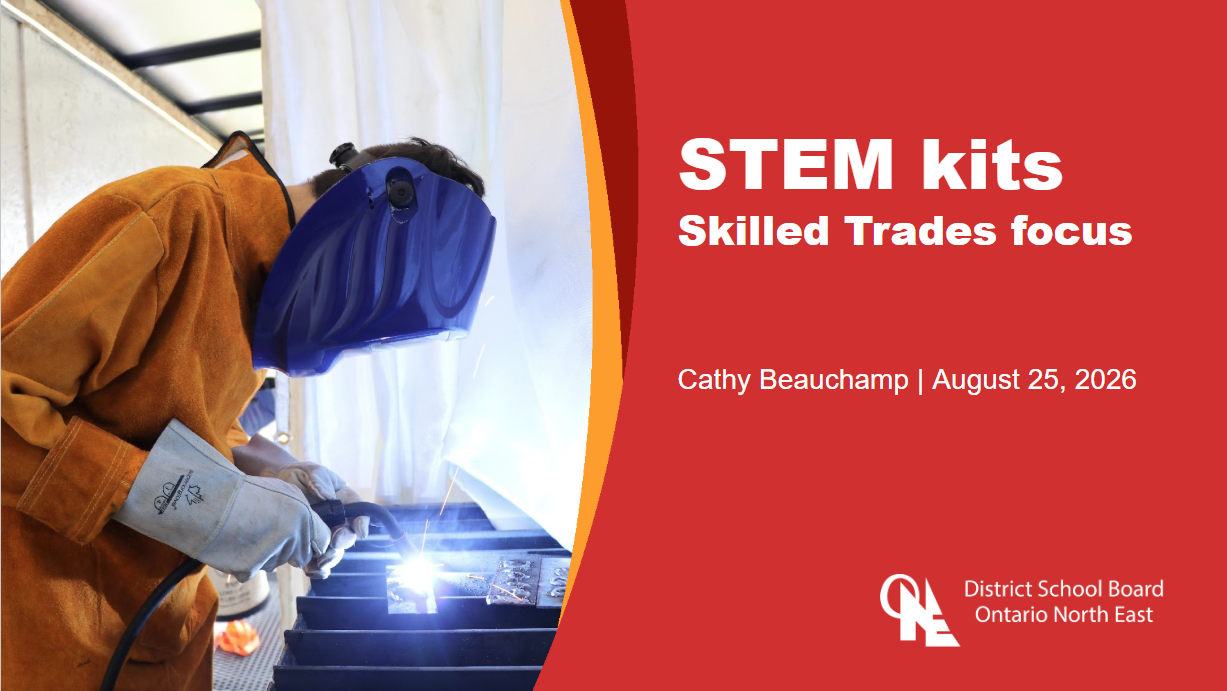
STEM & Interactive Learning: Secondary geometry teachers used GeoGebra models to bring visual geometry to life. Science teachers across grades utilized Gizmos online simulations for interactive learning and real-world problem-solving via STEM Cases and upper elementary and secondary teachers reviewed Skilled Trades Career STEM kits to build hands-on student projects.
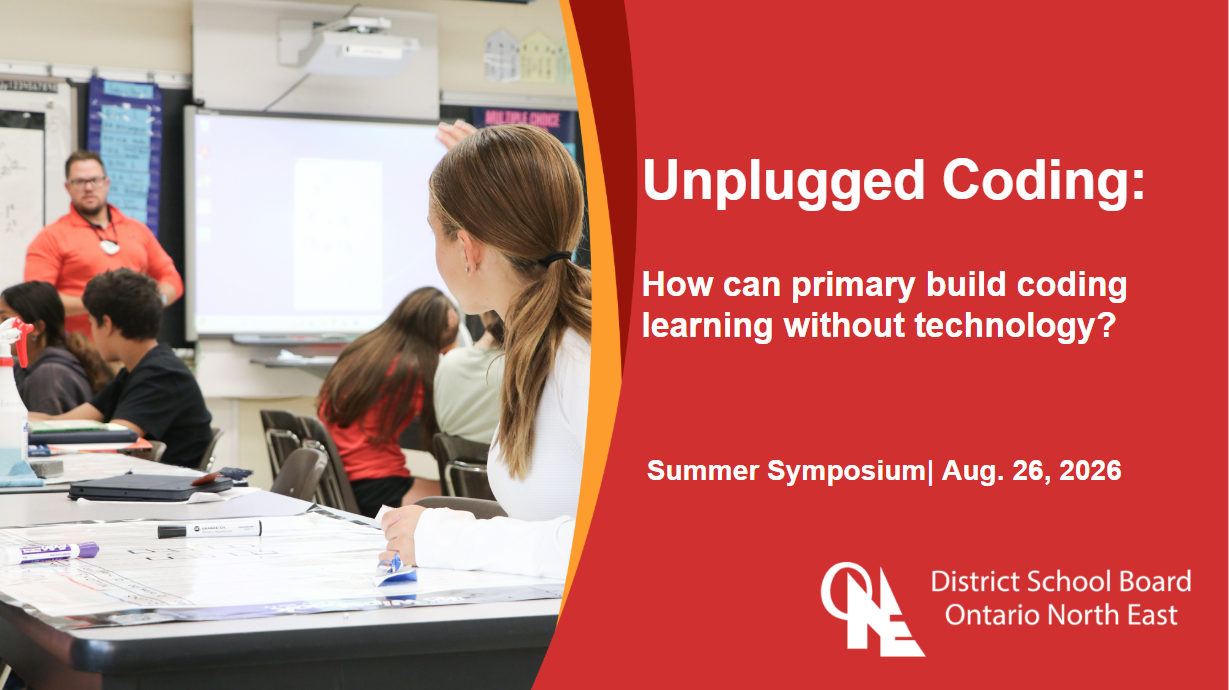
Early Coding & Pathways: K–3 educators explored "Coding Unplugged" to teach screen-free computational thinking and Strand C algebra concepts. Grade 7–10 teachers leveraged myBlueprint tools for portfolio development and career pathway planning.
Artificial Intelligence: Secondary educators investigated AI tools by building customized "Gems" in Gemini for lesson planning and exploring modern assessment shifts to capture authentic, real-time student learning.
It was an inspiring day of professional growth, setting a clear, energized trajectory for DSB1 schools in the year ahead!