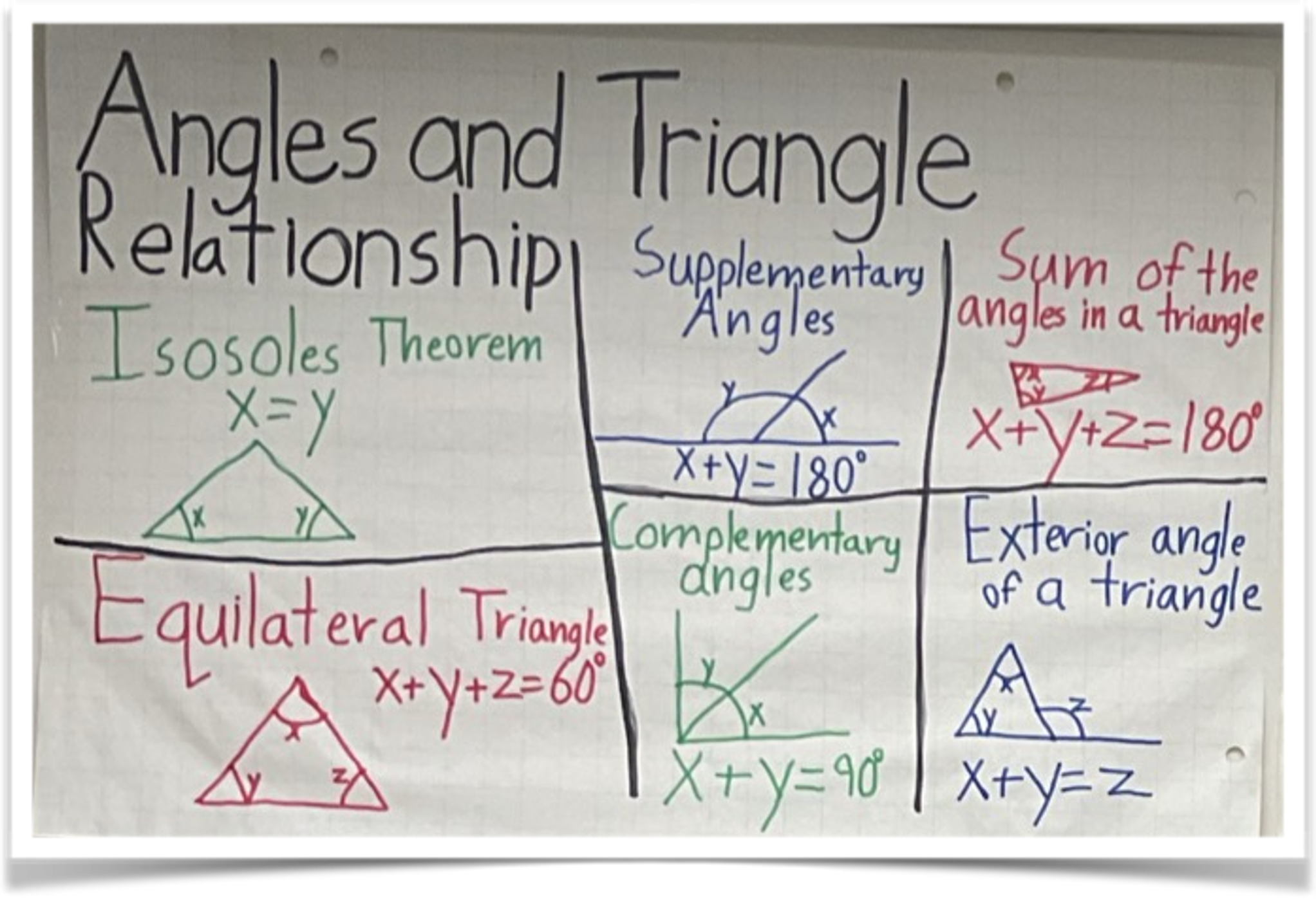
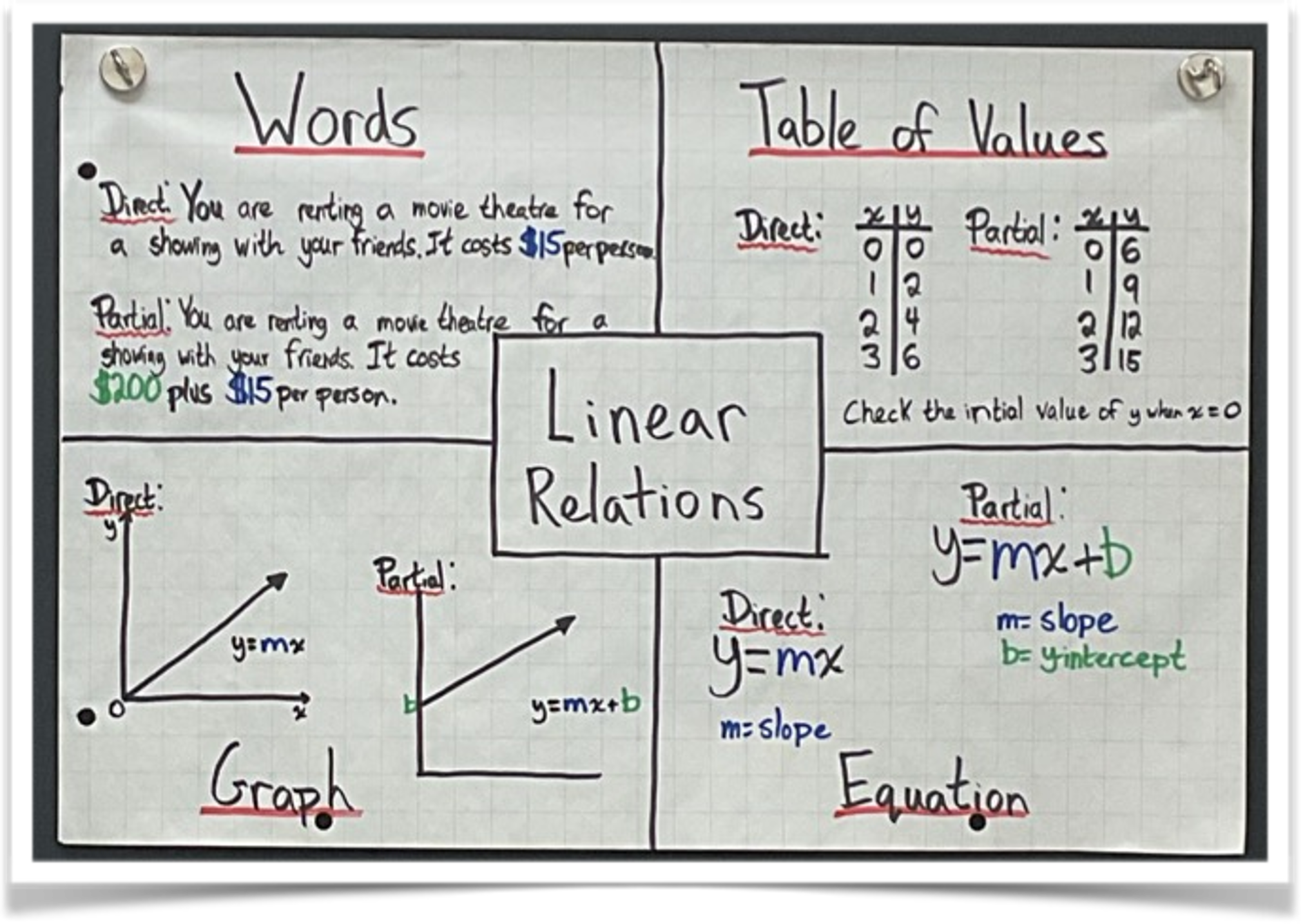
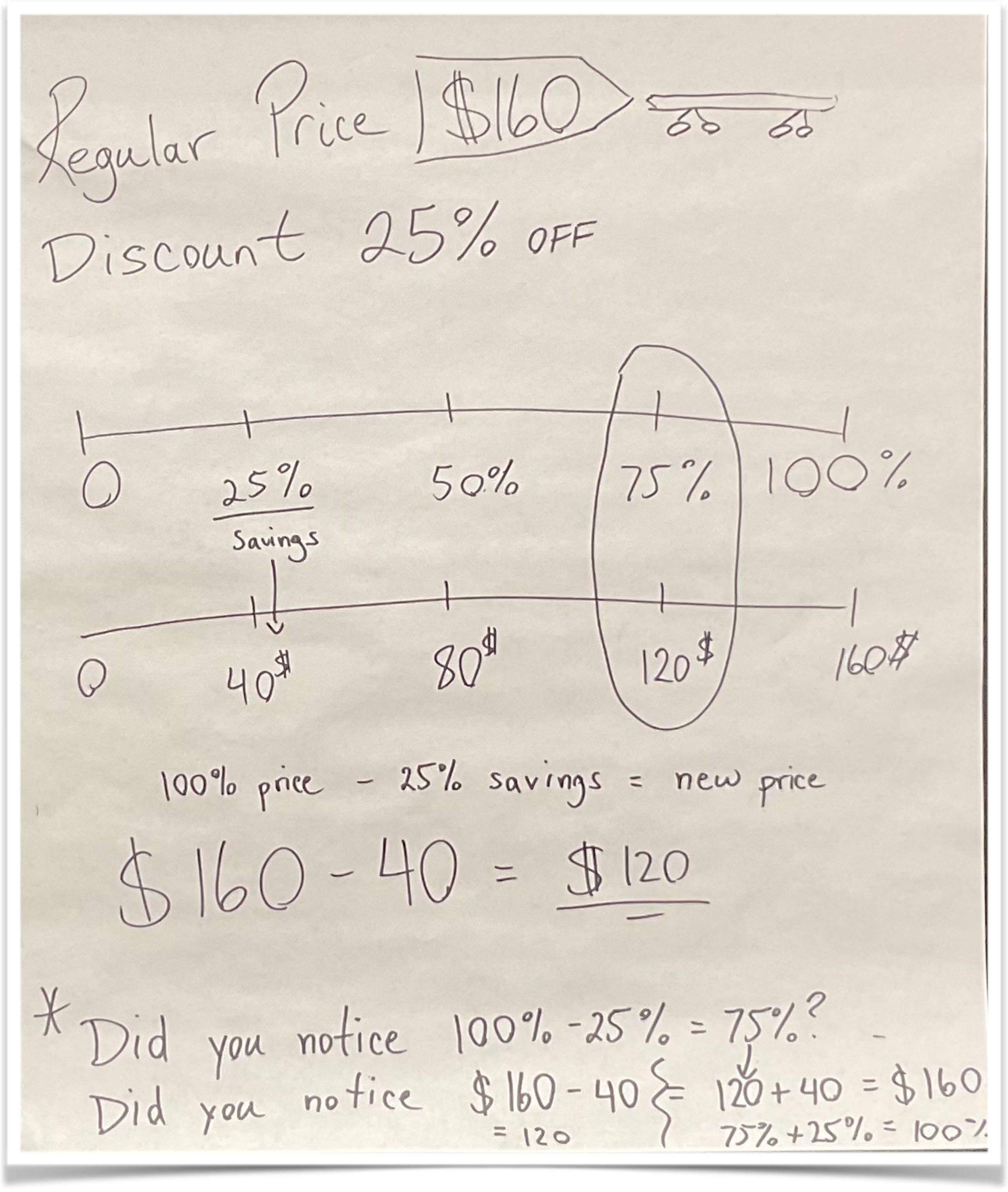
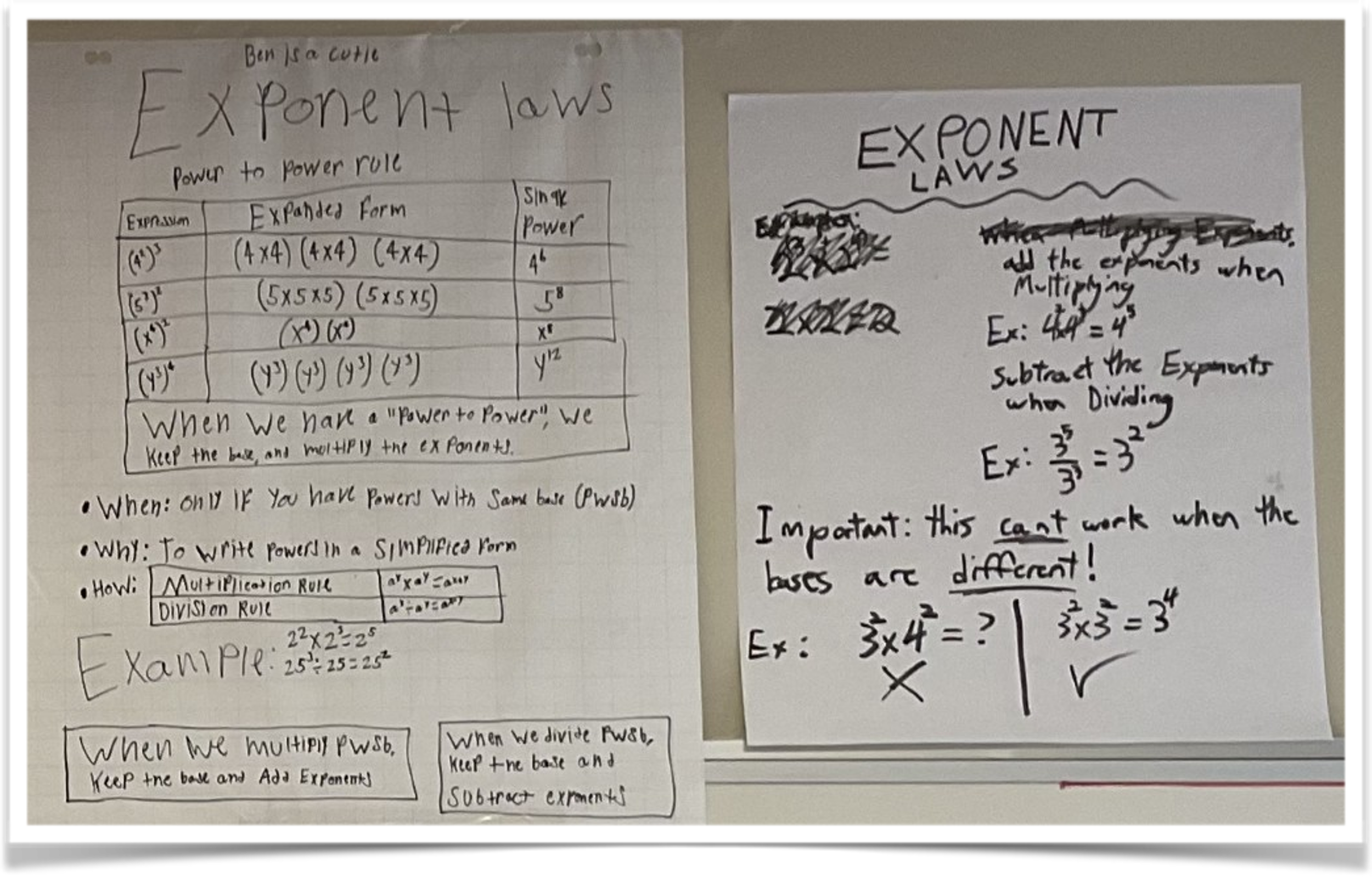
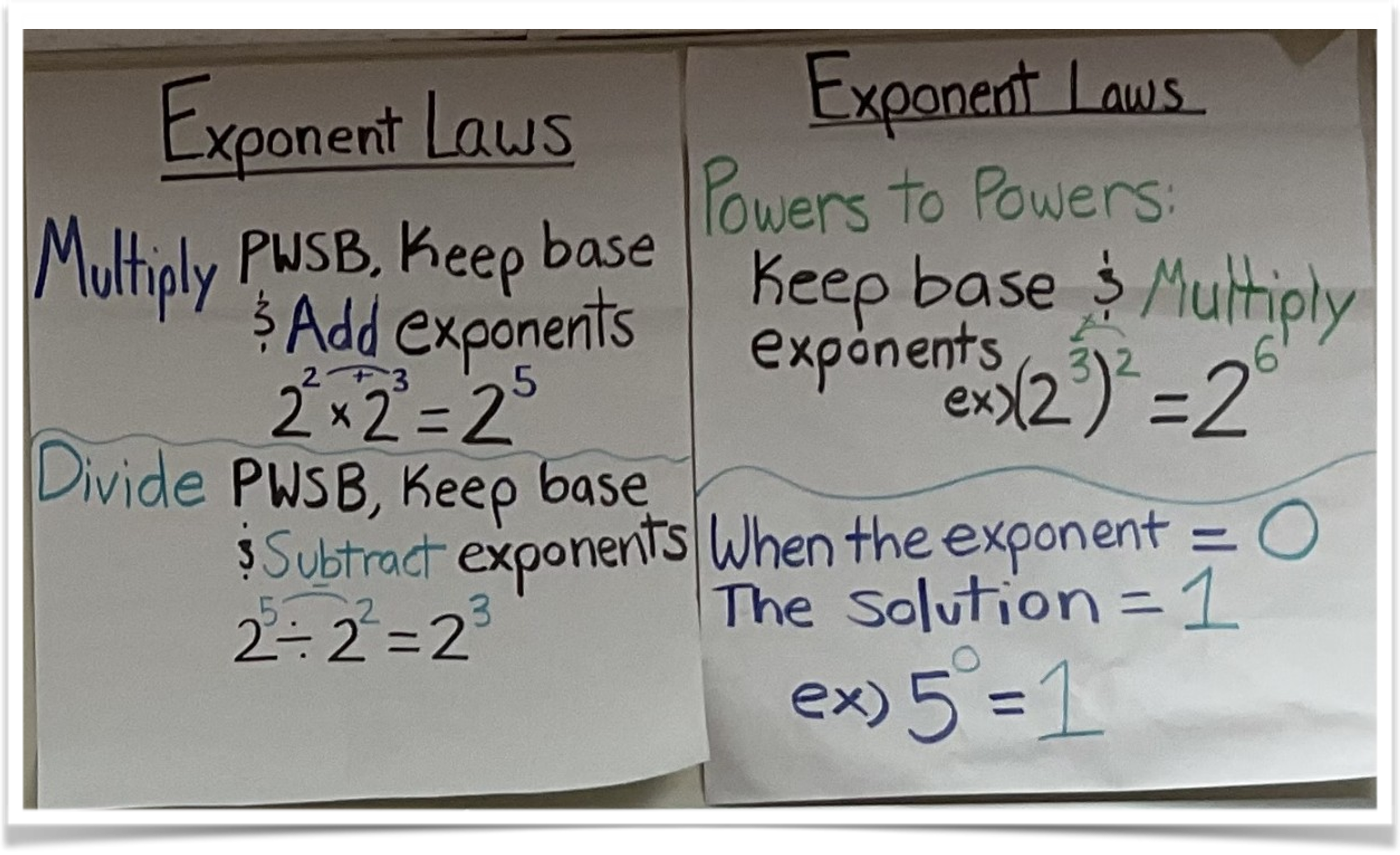
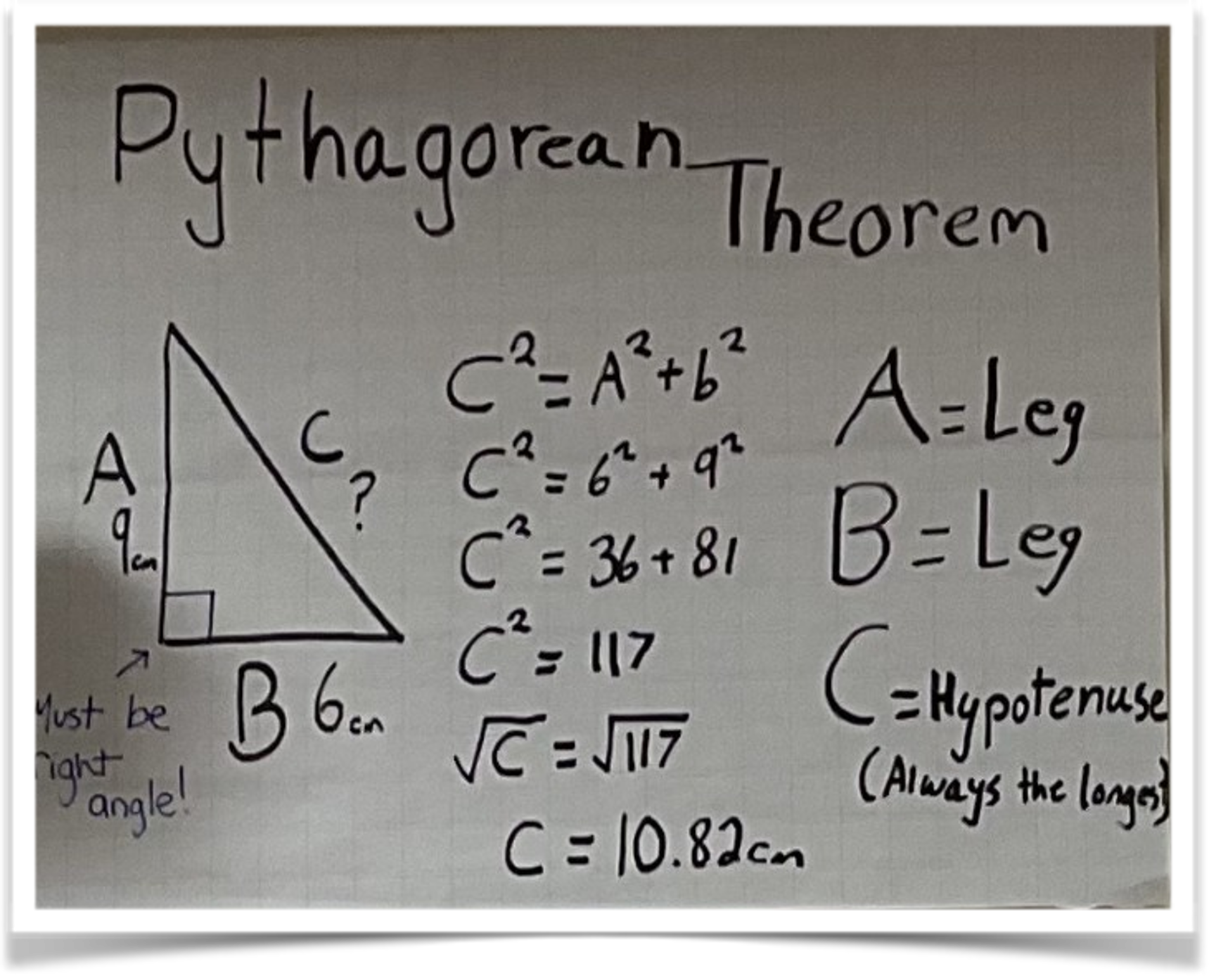
Charting the Path to EQAO Excellence: Why Anchor Charts are a Math Essential
Stepping back into a math classroom as EQAO season approaches can feel a bit daunting for students, but anchor charts are a fantastic way to turn that tension into confidence. These student-centered visuals can serve as a friendly "helping hand" on the wall.
For students gearing up for the EQAO, these charts act as a reliable safety net, breaking down complex strands like algebra or data management into bite-sized reminders that are easy to process at a glance. By turning the classroom into a living reference guide, you will not only teach concepts; you will create a supportive environment that lowers math anxiety and empowers students to tackle those challenging questions with a clear head and a steady hand.

Learning Environments:
Anchor charts provide a permanent scaffold that allow students to move from "I don't know where to start" to "I recognize this pattern."
By reducing cognitive load, students can focus their mental energy on higher-order thinking and problem-solving rather than struggling to recall a specific formula or unit conversion.

Inclusive Community:
Anchor charts act as an equity tool. They ensure that students with processing speed challenges, memory gaps, or English Language Learning needs have the same access to information as everyone else.

Critical Thinking:
The most effective anchor charts are not bought at a store; they are co-created as a class during the learning process. When students decide which information is important and generate their own examples, it sparks a sense of ownership and encourages them to deepen their understanding.
Reach out to a Learning Coach for more support.